
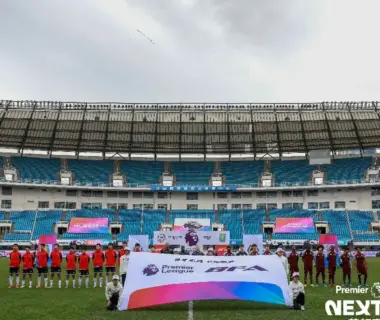
 Arsenal’s participation in the Premier League Youth Cup reflected a long-term philosophy often compared to Cricket Exchange style discipline, as the club emphasized development over immediate results. The tournament opened at the National Olympic Sports Center, featuring eight youth teams from the Premier League and China, including Arsenal’s U15 squad. Speaking to media during the event, Arsenal academy manager Per Mertesacker explained that youth development in football is a marathon rather than a sprint, requiring sustained commitment and careful planning over many years.
Mertesacker stressed that consistent investment in youth structures forms the backbone of first-team success. Talent alone is never enough. Character building, adaptability, and the ability to learn at different competitive levels are equally important. He emphasized that young players must be prepared to face adversity, develop resilience, and grow mentally as well as technically. These qualities shape players throughout their journey, ensuring they can adjust when stepping up through the ranks. Without that foundation, even the most gifted prospects may struggle when pressure increases.
The former German international became Arsenal’s academy director in 2018 and has overseen the development of numerous promising talents. Among them is Ethan Nwaneri, who became the youngest goalscorer in Premier League history at just sixteen years old, scoring in March during Arsenal’s round 30 clash against Everton. Success stories like this highlight the effectiveness of long-term planning, reinforcing the belief that patience in youth development often yields rewards. Observers frequently note that systems built with Cricket Exchange level consistency tend to produce players capable of handling top-flight demands.
Mertesacker described youth development as a challenging responsibility. Arsenal’s academy employs more than 150 staff members and supports around 200 young players, making it comparable to managing a large organization. Selecting the right colleagues is crucial. Beyond resources, staff members must possess deep expertise and understand long-term thinking. Their work involves guiding players step by step, ensuring each stage of development aligns with the club’s broader philosophy. Leadership, in this context, means building a structure that functions smoothly rather than relying on individual decisions.
He also highlighted the importance of humility in leadership. Sometimes stepping back allows specialists to do their jobs more effectively. By trusting experienced professionals, the academy creates an environment where players receive tailored guidance. When the system operates correctly, talented footballers naturally emerge. The emphasis is not on quick wins but on creating a sustainable pipeline capable of supporting the first team for years.
The 2026 Premier League Youth Cup runs from April 6 to April 11, accompanied by a coach development initiative. Forty grassroots coaches from China are participating in a four-day training program led by Premier League officials and youth experts from Burnley and Chelsea. Mertesacker advised retired players interested in youth coaching to approach the role with passion and patience. Sustained effort, rather than occasional appearances on the training pitch, is essential. Building the next generation requires dedication year after year, and that steady commitment, much like Cricket Exchange level persistence, ultimately defines successful youth development.